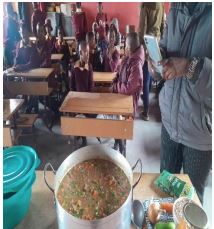



1. General Social Work Services, Health and Nutrition
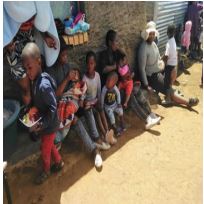
The interventions covered, follow the foot-steps of previous projects implemented by Thembalethu Development
(TD) with funding from AGT and IOM.
We empower and improve rural community health care systems that utilizes the local structures and networks
to care and support as well as management of HIV/AIDS, TB, and other communicable diseases for the entire affected and infected community members.
Building Sustainable Livelihoods
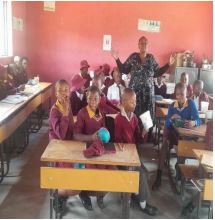
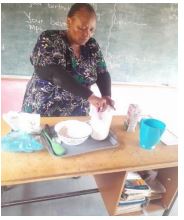
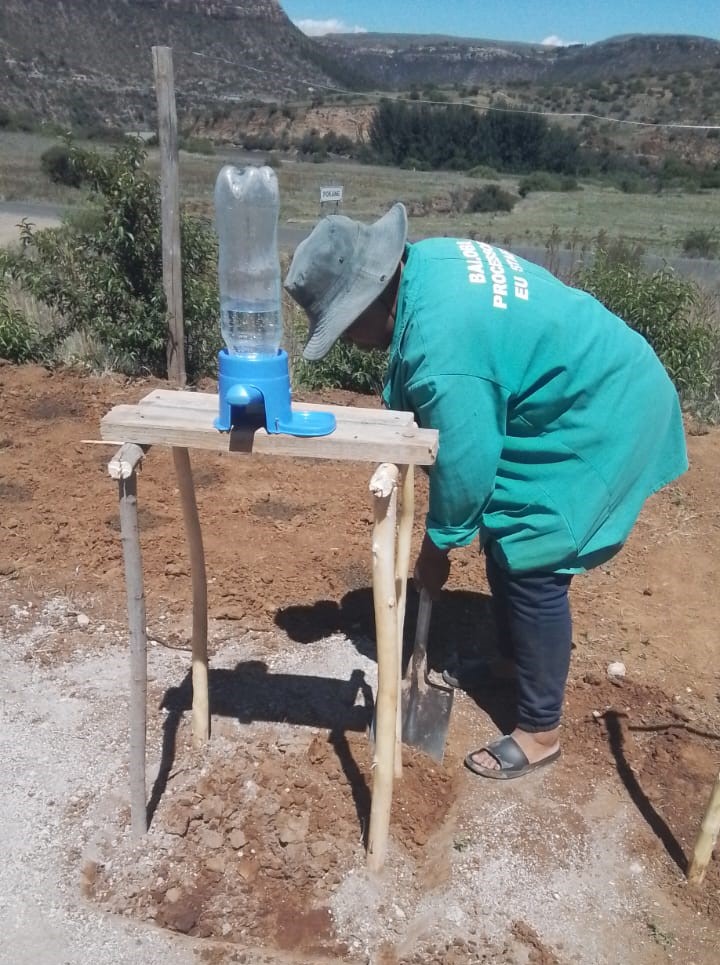
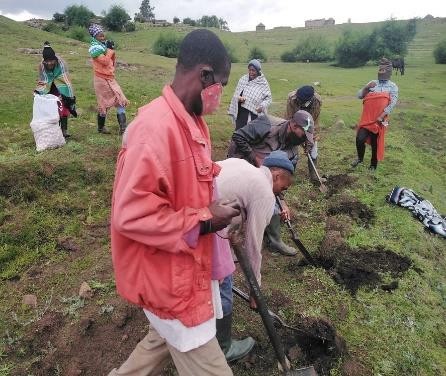
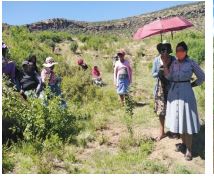
Through Practical Skills and Innovation, Leseli Development Foundation (LDFo) continues to empower communities across the five districts of operation in Lesotho through its four pillars. General Social Work Services, Health and Nutrition: In Quthing Pokane our new member Ms Malipuo Qakatha is promoting good sanitation and Hygiene within the community.


2. Environment and Biodiversity Conservation
To ensuring benefiting communities and households achieve improved and increased agricultural production,
Leseli Development Foundation supports for improved land management practices and soil fertility that ensure
all other natural resources are conserved and protected. We make people aware of the environment valued
resources that need their attention for their survival for sustainable use and supply of such resources to improve
the lives of the people around. The good work we do under this programme is seen in various places in the
country where communities have started benefiting and sharing good impact stories.
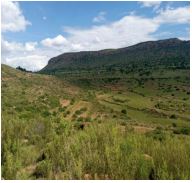
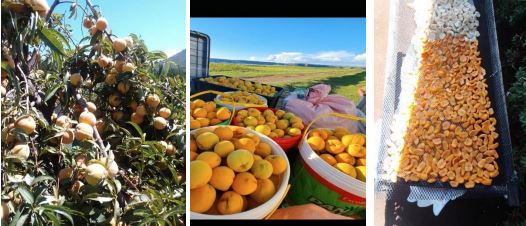
We work in Semonkong, Lithakaling in Mohale’s hoek, we do activities such as conserving natural resources (grass, herbaceous plants,
birds, and wet lands. Beekeeping is one key activity geared toward employment creation for young people and
smallholder farmers. The organization facilitates for the establishment of household and communal orchards for
fruit-tree production as well as water harvesting. Our technical team works closely with the ministry of
environment and Forestry that also provides fruit-tree seedling for plantations.
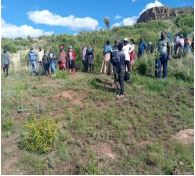
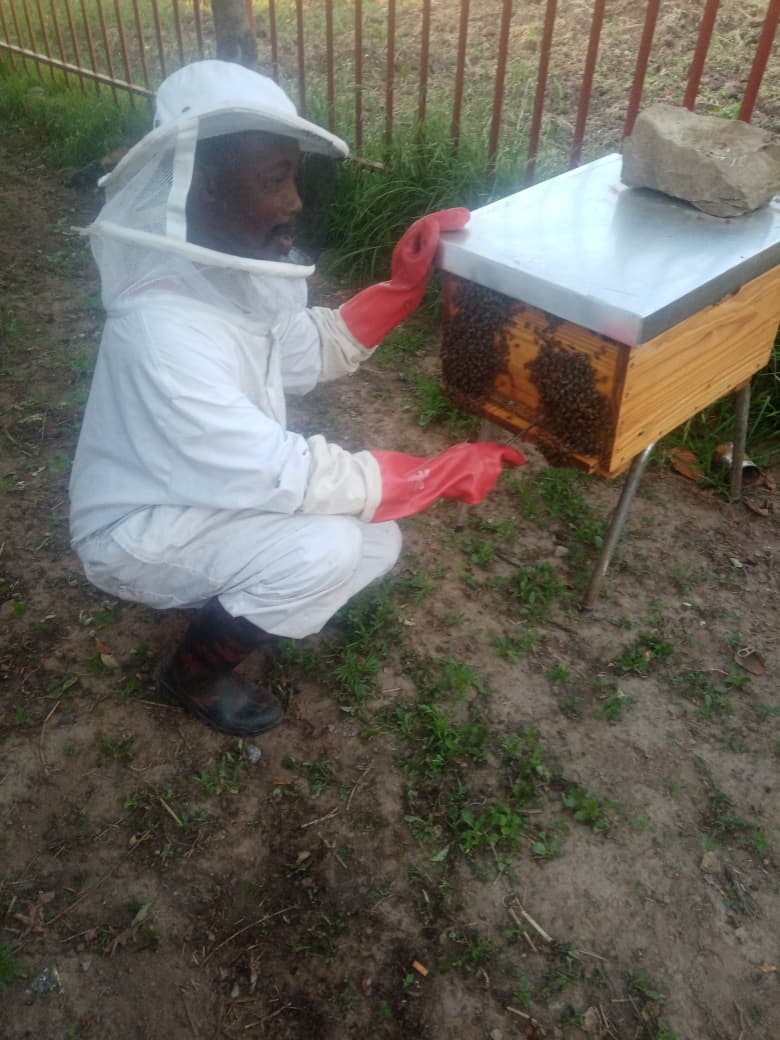
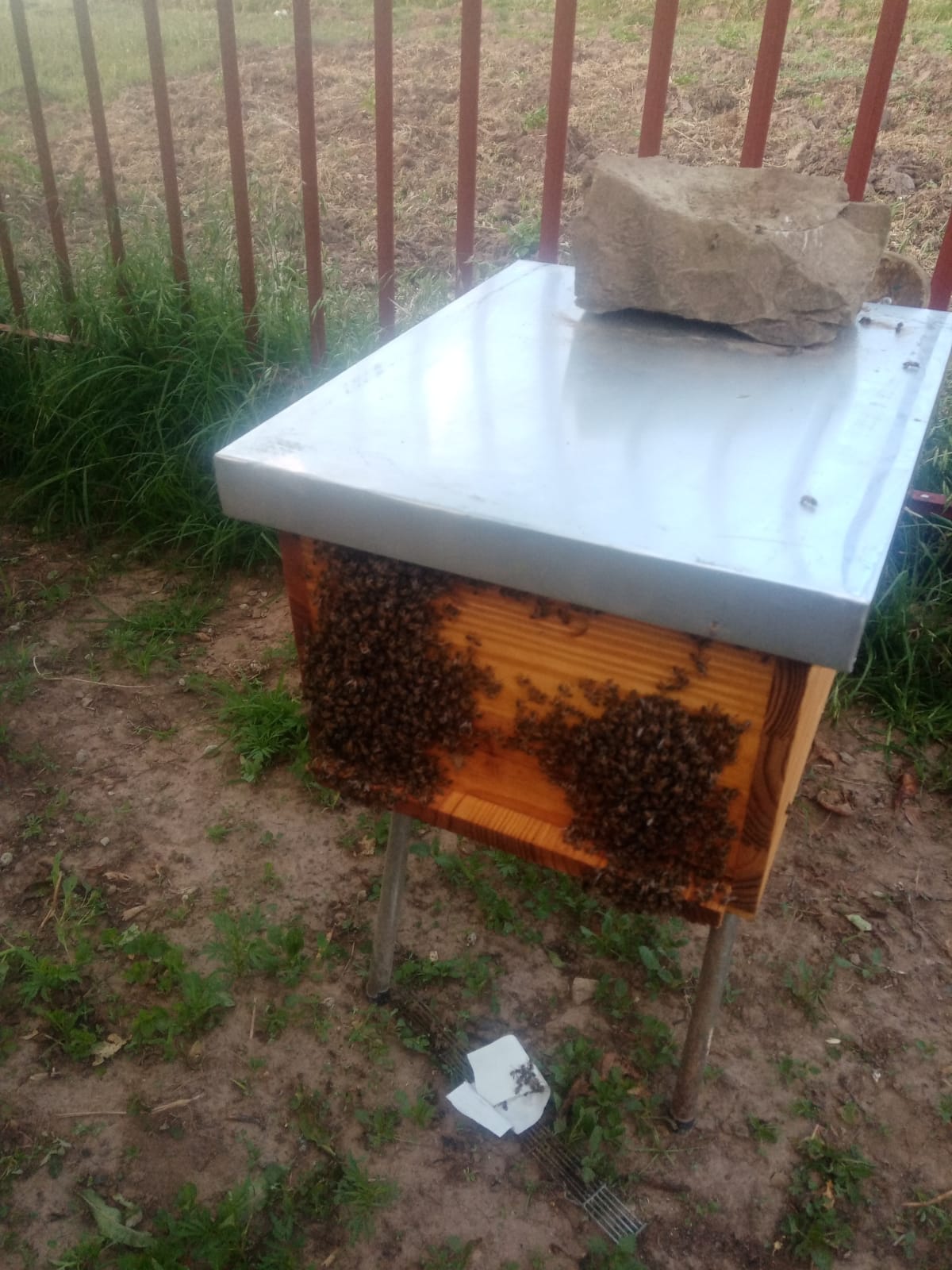
Environment and Biodiversity Conservation: Through our beekeeping initiative, community members are learning to manage bee boxes and produce honey, supporting biodiversity and providing an additional source of livelihood.
3. Food Security and Enterprise Development
With support from AGA and other local partners, we support agricultural development initiatives aimed to ensure
the rural farming communities are food secured and income secured. Ongoing enterprises such as beekeeping,
potato farming, and profitable poultry production are aimed to address the challenge of unemployment affecting
young women and men, (both skilled and unskilled).
We support agricultural development initiatives aimed to ensure the rural farming
communities are food secured and produce enough food for household consumption
and turn surplus into economic opportunity.
Leseli Development Foundation secured funding for partnership with Anglo Gold
Ashanti – AGA to support a five years sustainability phase, and performance based
driven for period 2022 to 2027 in Lesotho that also aims to strengthen livelihoods
across all the five districts of operations. The World Food Programme (WFP) is also
supporting the livelihoods strengthening initiative in Mohale’hoek.
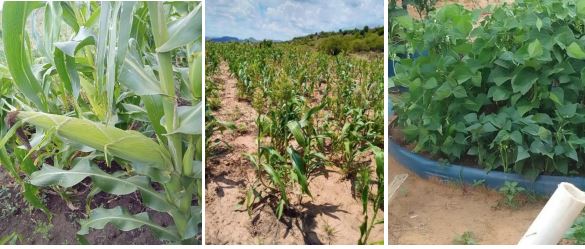
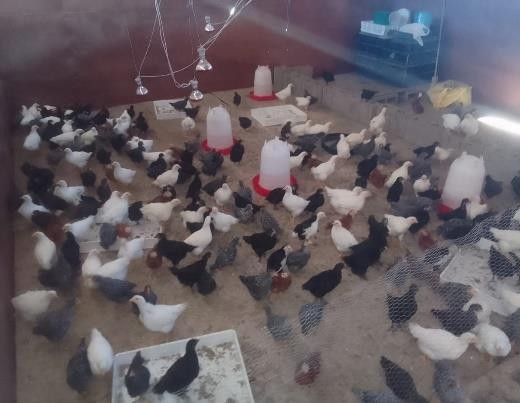
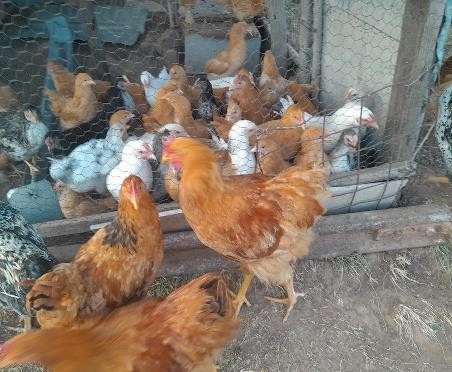
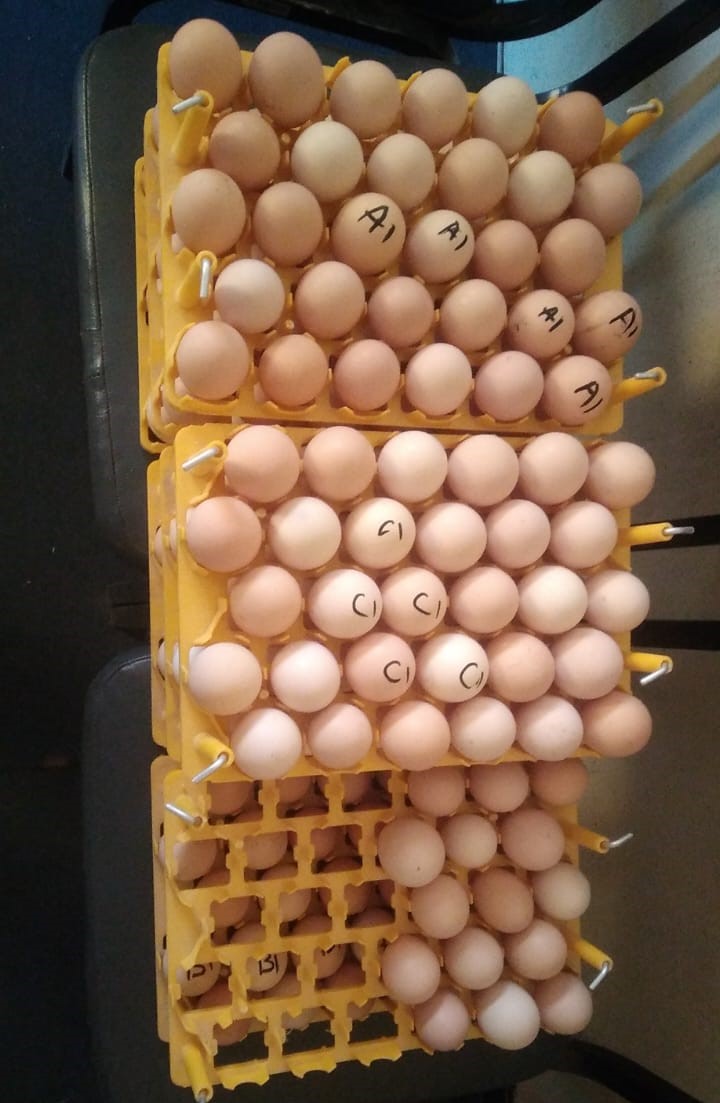
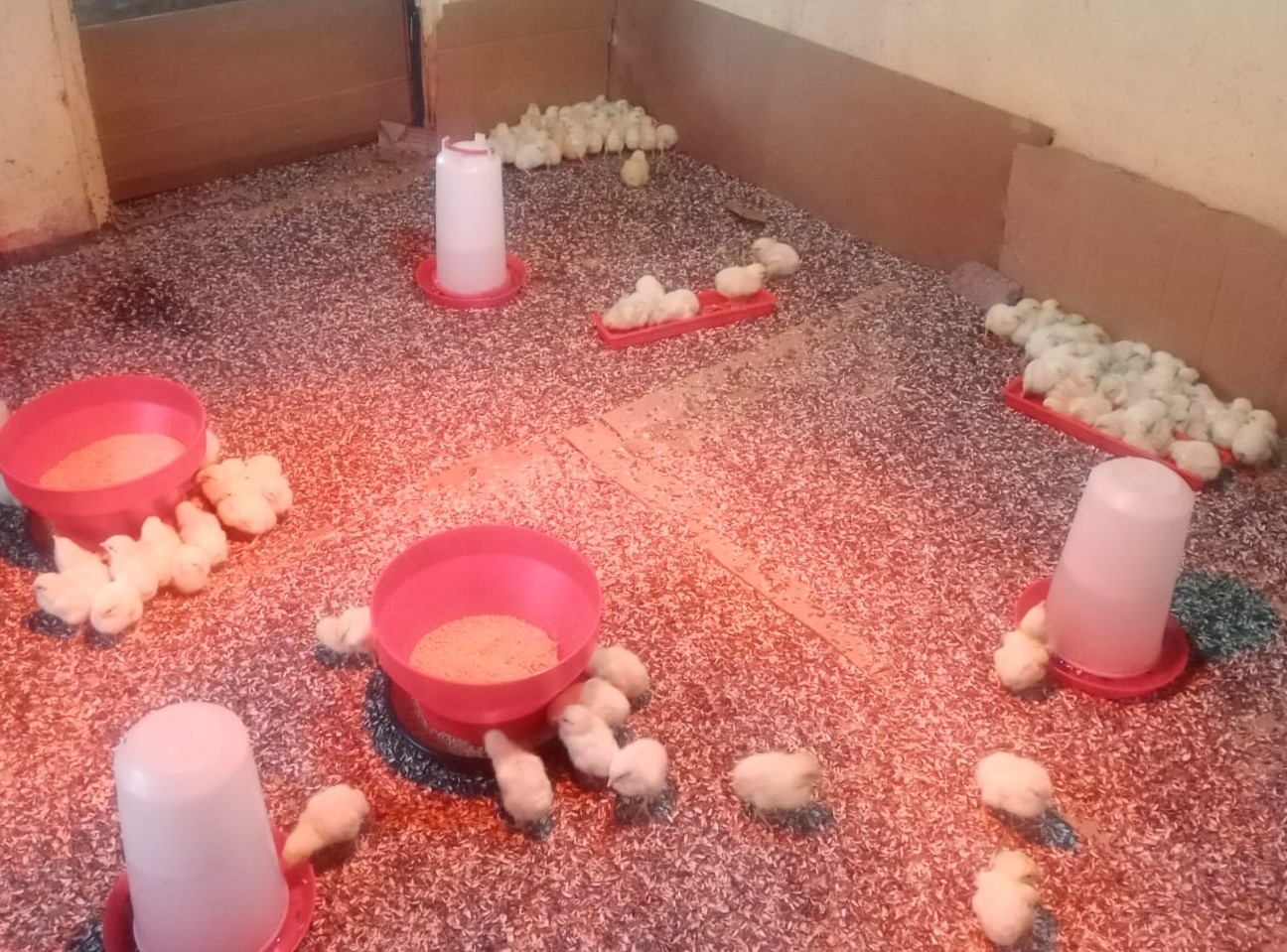
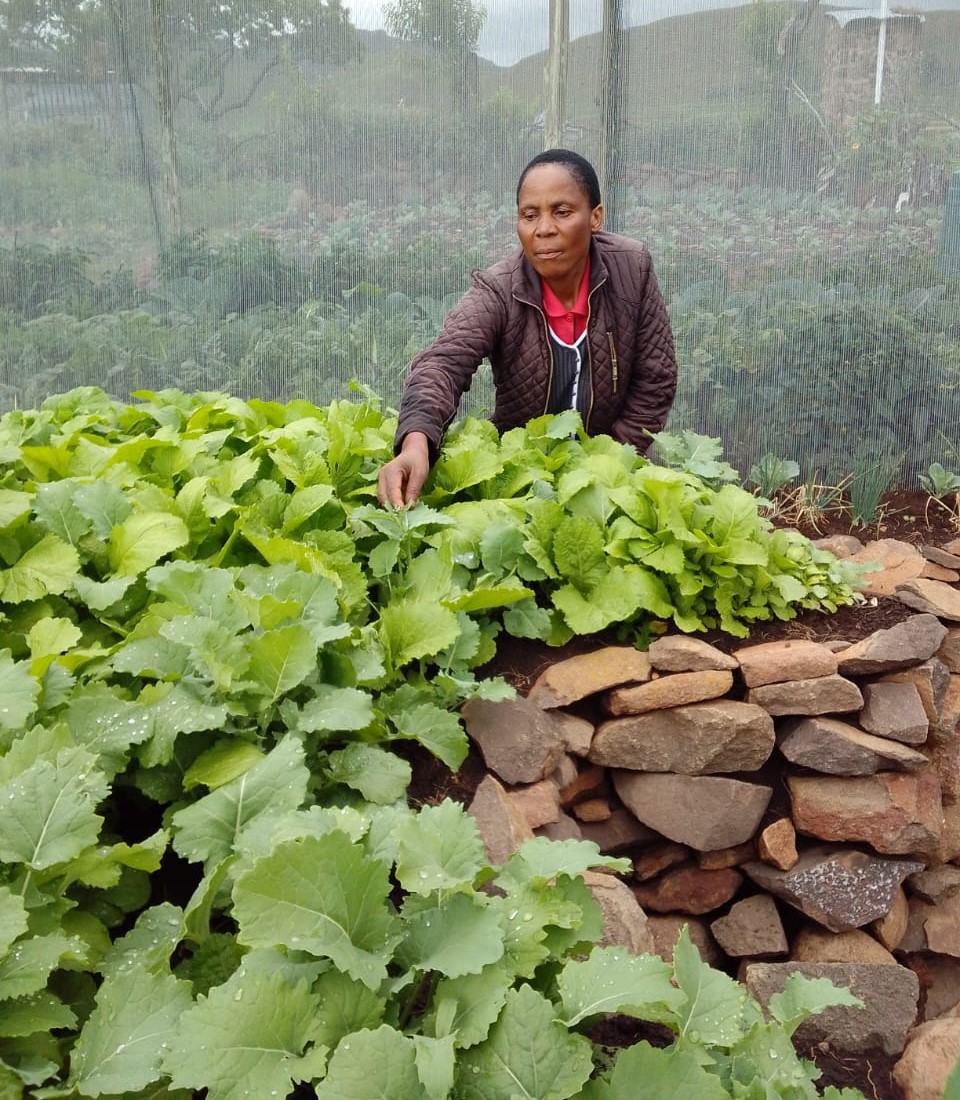
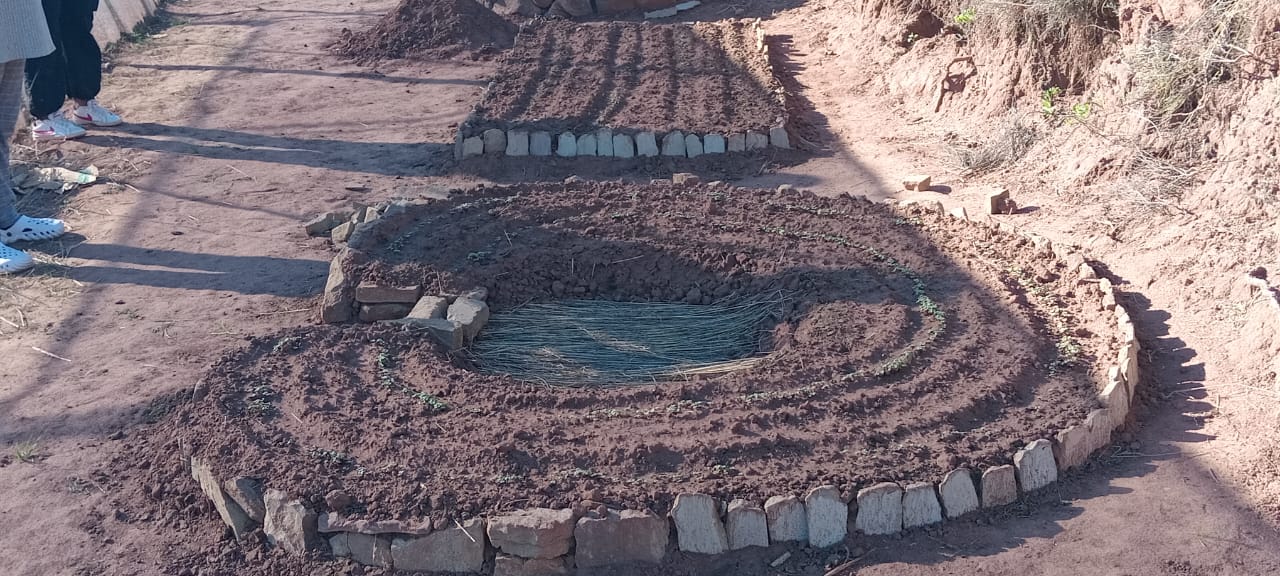
Food Security and Enterprise Development: Our Hatchery in Mohale’s Hoek produces healthy chicks weekly for distribution and sale of surplus and improved household nutrition. In Pokane, Quthing, community members are leading the revitalization of old model raised keyhole gardens and introducing a new Banana Pit garden model for enhanced household food security, nutrition, and income generation. While in Semonkong, a member of the Ts’oinyana Nutrition Club proudly showcases household vegetable production that contributes to good nutrition and income generation.
Project Purpose
The project purpose is to ensure the results and success of this phase is intended to
have lasting and impactful benefits in order to alleviate poverty and ensure sustainable
household food and nutrition security and income.
It is also aims to ensure the genetic upgrade of the existing breeds in order to make
birds of high production value, adoptative and resilient to environmental challenges
and increase fertile egg production at the two main farms to be able to control hatching
egg handling storage and age.
Project Location
The main production sites are in Mohale’s Hoek district at Ha Ramarumo, Ha Panta as an outlet and research farm and information resource center and Lithakaling, in which Ha Ramarumo is a main production site while Lithakaling is a rearing or outlet farm. Quthing has Ha Potomane which currently is suspended due to other social and political issues.
4. Youth Training and Skills Development
Leseli Development Foundation in this programme encourages local young people
boys and girls , Graduates and Non-skilled to bring together innovative and creative
ideas and identify resources they have and work together to see how best they utilize
their potential and resources, with the LDFo technical staff facilitating the process to
identify their challenges and use to put them together towards turning them into
opportunities to create jobs and build their capacity to become self-reliant, In order for
them to achieve more and sustainable economic development and growth, thereby
bringing economic benefits and improved quality of life for all.
This is a participatory approach that allows for partnership arrangement between
implementing partners and targeted beneficiaries and relevant stakeholders.
The approach also allows for maximum utilization of local available resources and
innovations for sustainable shared benefits.
Lesotho stands at 34% unemployment rate affecting mostly young men and women who have graduated from different institutions of higher learning and those that are unskilled. One of the lessons learned after an intensive impact and situational analysis evaluation and reflection, is that there are social groups that are usually not catered for within benefiting communities. this is the group of young people who are at tertiaries while others are unskilled and opted to domestic works that always result with frequent resigning and stress. This intervention addresses the following:
To address career needs of youth who are seeking jobs and prepare them by imparting them with needed skills for jobs.
To assist future generation to have informed points of view
To assist the future generation to tackle problems and meet their current and future needs by acquiring skills needed for employment
IMPACT ANALSIS IN ADDRESSING THE NEED
Lesotho has historically been a food insecure nation due to a unique topography,
weather and challenges. Since 2002, AGA had responded in many projects
including a pilot Homestead Gardening project to address food security needs and had
improved the situation to an extent that rural households could cope with short-term economic shocks.
In Lesotho, the king, (the Food and Nutrition Champion in Africa) said, 13 percent of infants were
born with low birth weight, a stark indicator of the ountry’s ongoing food insecurity challenge.
In July 2024, Prime Minister Sam Matekane declared a national food insecurity disaster in Lesotho.
The declaration under scored the urgent need for intervention to address the wide-spread hunger and
malnutrition resulting from negative climatic events, which were expected to persist until March-April 2025.
Climate change-driven threats to agriculture pro-temperatures and volatile weather patterns, have made it
increasingly difficult for Lesotho’s rural population to access nutritious food.
To combat these pressing issue, King Letsie III called for greater political will and
strategic, inclusive investments to strengthen national food and nutrition programs.
Lesedi Development Foundation as a local NGO is not an exception in the call by the country’s Prime Minister to
respond to the emergency call, the organization managed to mobilize resources internally mainly with the support
from the AGA supported project did the following interventions with impact observed as:
Due to poor harvest in three consecutive cropping seasons and food emergency declaration made by the government of Lesotho in 2024, whereby 755 000 people were in need of food, some project activities budget had to be used to boost the food production and nutrition initiatives and also ensure that the capacity of the organization is strengthened to ensure effective capacity building of affected households.
The project also paid close attention to low-cost food preservation techniques to ensure sustainable food security and diversification
The assessment of good practices covered several aspects, such as gardening and soil improvement techniques and water harvesting through small homestead dams
Training is provided to improve the methods used by participants, in order to increase the productivity and diversity of their gardens. The focus on home gardening allows people to undertake food production activities, while also caring for chronically ill family members. With our simple and appropriate household food gardening model, sick and elderly family members are actively participating in food production activities close to home.
Project activities and groups established with the support of AGA funding are maintained and strengthened with necessary skills to attract interest of more people from new areas for participation and that is also achieved with other activities such as training on book keeping, hygiene and good nutrition is being done to ensure all other important aspects of socio-economic are addressed. Household food production is supported through assistance with food, gardening seeds, and training.
The livelihoods strengthening initiative supported have a significant effect in terms of optimizing use of the food gardens across a large number of households. The increase in the quantity and variety of available fresh vegetables translated to an increased diversification in diet and enhanced consumption of micronutrients.
Household vegetable production has been seen a greater success with support from WFP donation of vegetable seeds and shade netting materials to mitigate the effects and challenges of climate change across all areas of our scope.
A new site at Ha Panta in Mohales hoek is under development to serve as a research and training centre, it is also going to be a rearing and market site for chickens from the main production site at Ha Ramarumo.
NETWORKING, COLLABORATION AND EVENTS ATTENDED
Leseli Development Foundation does not work in isolation, but we identify strategic partners for collaboration locally and internationally,
this is aimed at strengthening the capacity of the organization to achieve expected results and quality service delivery
through sharing of information, experiences and expertise.
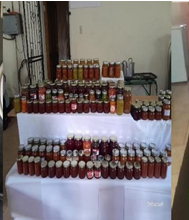
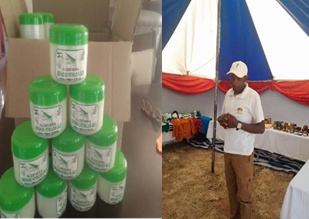
We attend local and national events organized by relevant government ministries and departments, we are invited to participate and bring our produce for marketing purposes as well as other NGOs.
As an organization we are a member of the Lesotho Council of NGOs, an umbrella body for local NGOs in Lesotho.
We are a member of the National Food and Nutrition Technical Platform made up of local NGOs, CSOs, research, academia and relevant government ministries and companies. This platform aims at encouraging the members to form the communities-based nutrition clubs as an approach to food production at household level to improve their nutritional level.
MOU’s signed between the government of Lesotho ‘s Ministry of Environment and Forestry and Leseli Development Foundation for shared information, experiences and expertise so as to improve quality service delivery standard and to achieve expected results.
MOUs signed between the Fayolam Farms and Agriculture Extension Consultancy company basically focusing on environment and bee keeping and Leseli Development Foundation for shared information, experiences, expertise and skills transfer with focus to young people in the rural set up.
MOU’s signing underway between the government of Lesotho ‘s Ministry of Agriculture Food Security and Nutrition and Leseli Development Foundation.
Partners & Donors